How to Check Kelly Bar Wear on a Used Rotary Rig — A Buyer's 6-Point Checklist
A kelly bar is the most expensive wear part on a rotary rig, and hidden spline wear is the fastest way to overpay. On a used rotary rig, inspect the kelly first: a straight, low-wear kelly can add years of life, while a cracked one can cost more than the rig's discount. Budget USD 15,000–40,000 for a replacement if it fails.
What Are the Core Kelly Specs and Why They Matter?
Field | Typical value to verify |
Sections | 3–4 (telescopic) |
Section length | 15 m per section |
Drive type | Friction / interlocking |
Torque transfer | Matches power head (e.g. 180 kN·m) |
Spline wear limit | Within OEM tolerance |
Straightness | No bend along full length |
The kelly transfers all power-head torque to the tooling. Once splines round off or the bar bends, drilling efficiency drops and the risk of in-hole failure rises sharply.
How to Inspect a Used Kelly Bar's Condition?
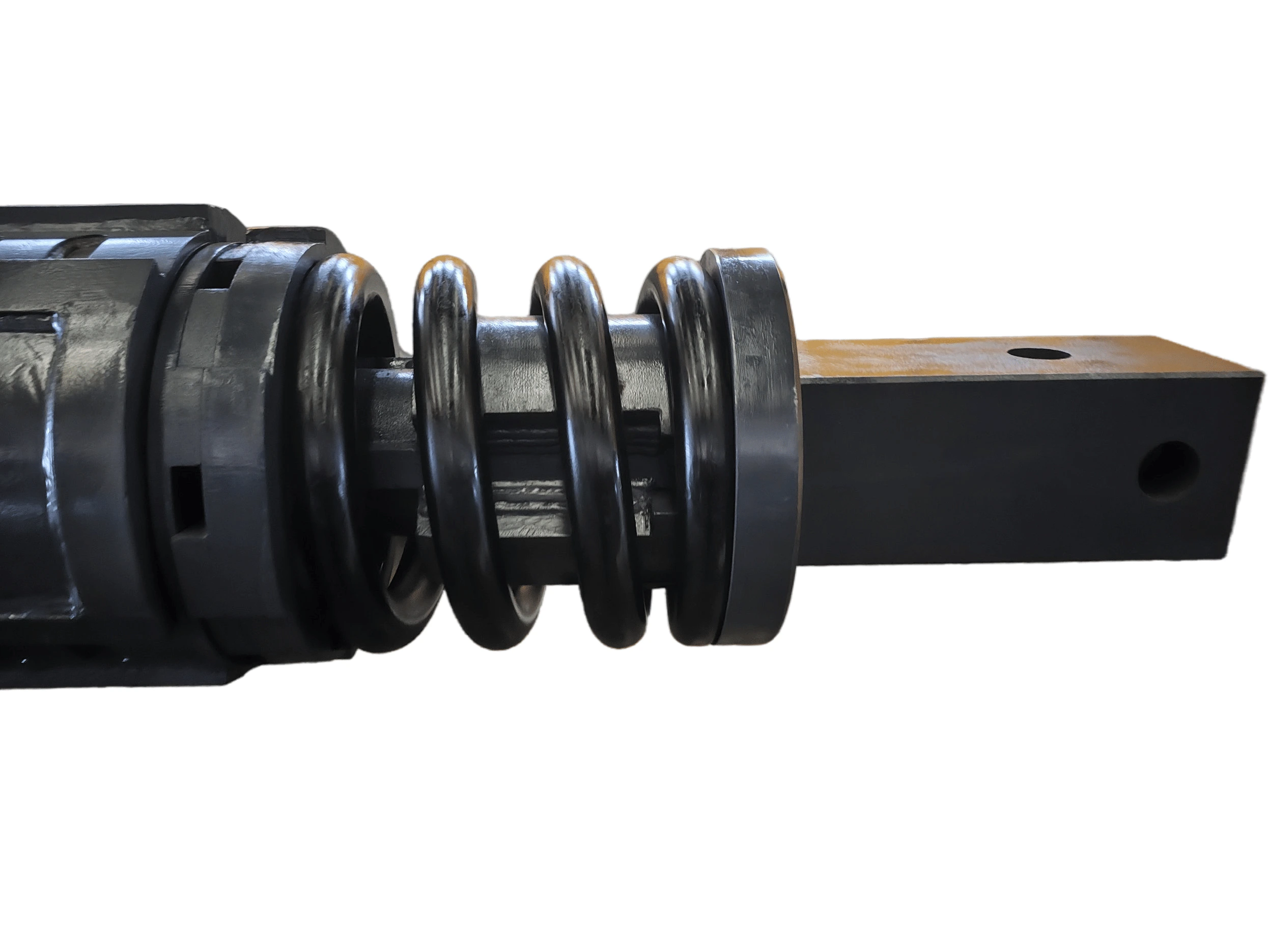
- Splines: measure wear at each joint; rounded splines slip under load.
- Straightness: roll or sight the bar; a visible bow means rejection.
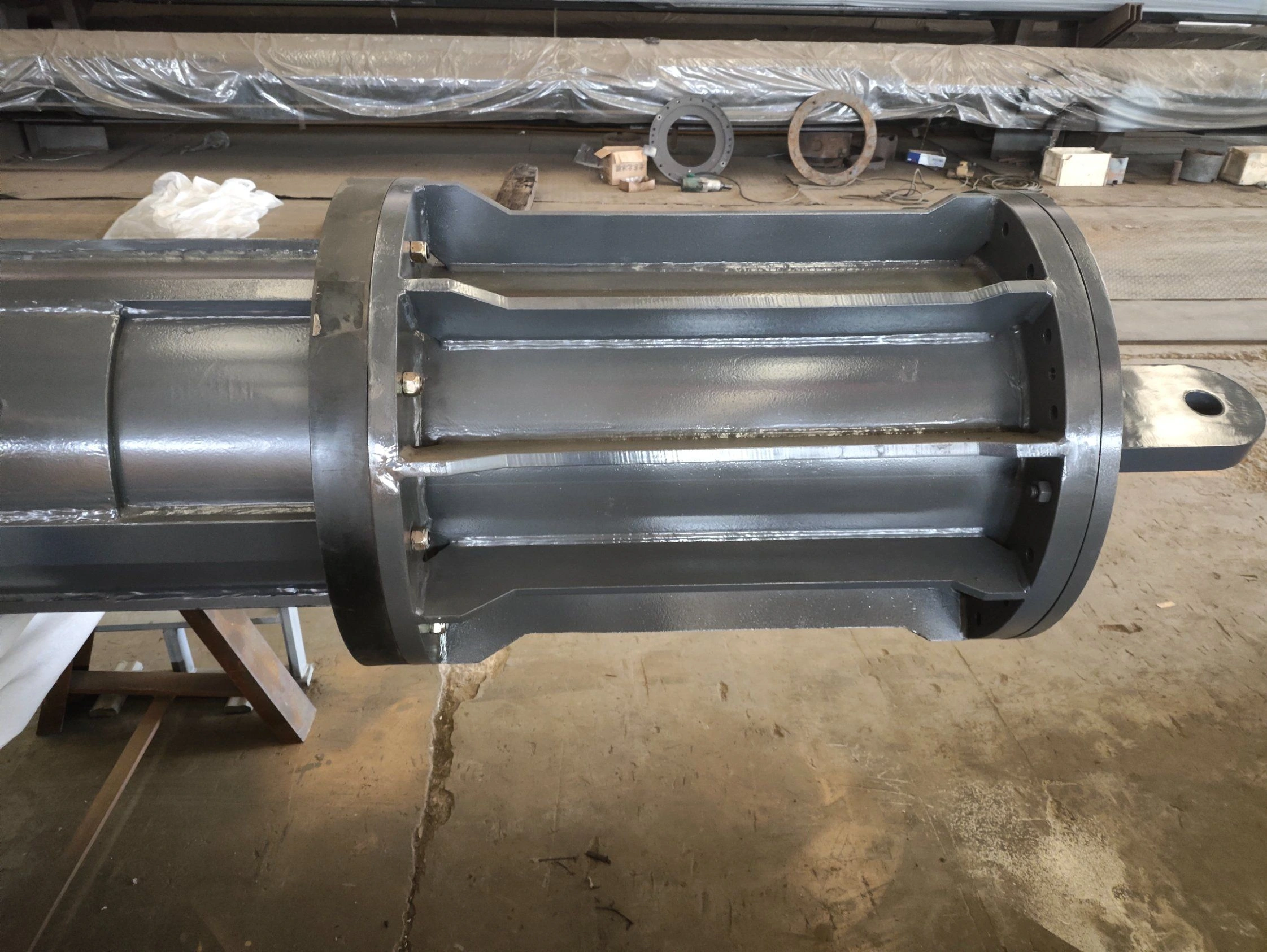
- Joint welds: look for crack repairs at the telescopic collars.
- Surface scoring: deep grooves on the square or hex section signal fatigue.
- Locking mechanism: confirm the telescopic sections lock and release cleanly.
- Lubrication: check for contaminated or water-entrained grease in the drive.
What Does a Kelly Repair or Replacement Cost, and How to Source?
Indicative costs:
- Spline rebuild: USD 6,000–12,000
- Straightening + weld repair: USD 8,000–15,000
- Full replacement bar: USD 25,000–40,000
Process: send us photos and a joint video → we quote rebuild vs replace → we source a matched bar or arrange a local shop. We provide export documents for the rig; the kelly service is quoted separately.
What Are the Common Pitfalls and Who Handles Customs?
- Pitfall 1: "New kelly" claimed but splines at worn tolerance — measure, don't trust the label.
- Pitfall 2: Hidden collar weld that fails on first torque spike.
- Pitfall 3: Wrong drive type (friction vs interlocking) for your power head.
- Responsibility: seller discloses kelly condition honestly; import duty and clearance are the buyer's scope. We do not promise "包清关 / 包税".
How We Evaluated These Kelly Bars
We measured spline wear with calipers on every listed rig, ran a straightness check, and recorded a joint-lock video. Each kelly's condition is stated explicitly in the unit's inspection file — no "as-is" guesswork.
Which Kelly Bars We Recommend (3–5 Configurations)
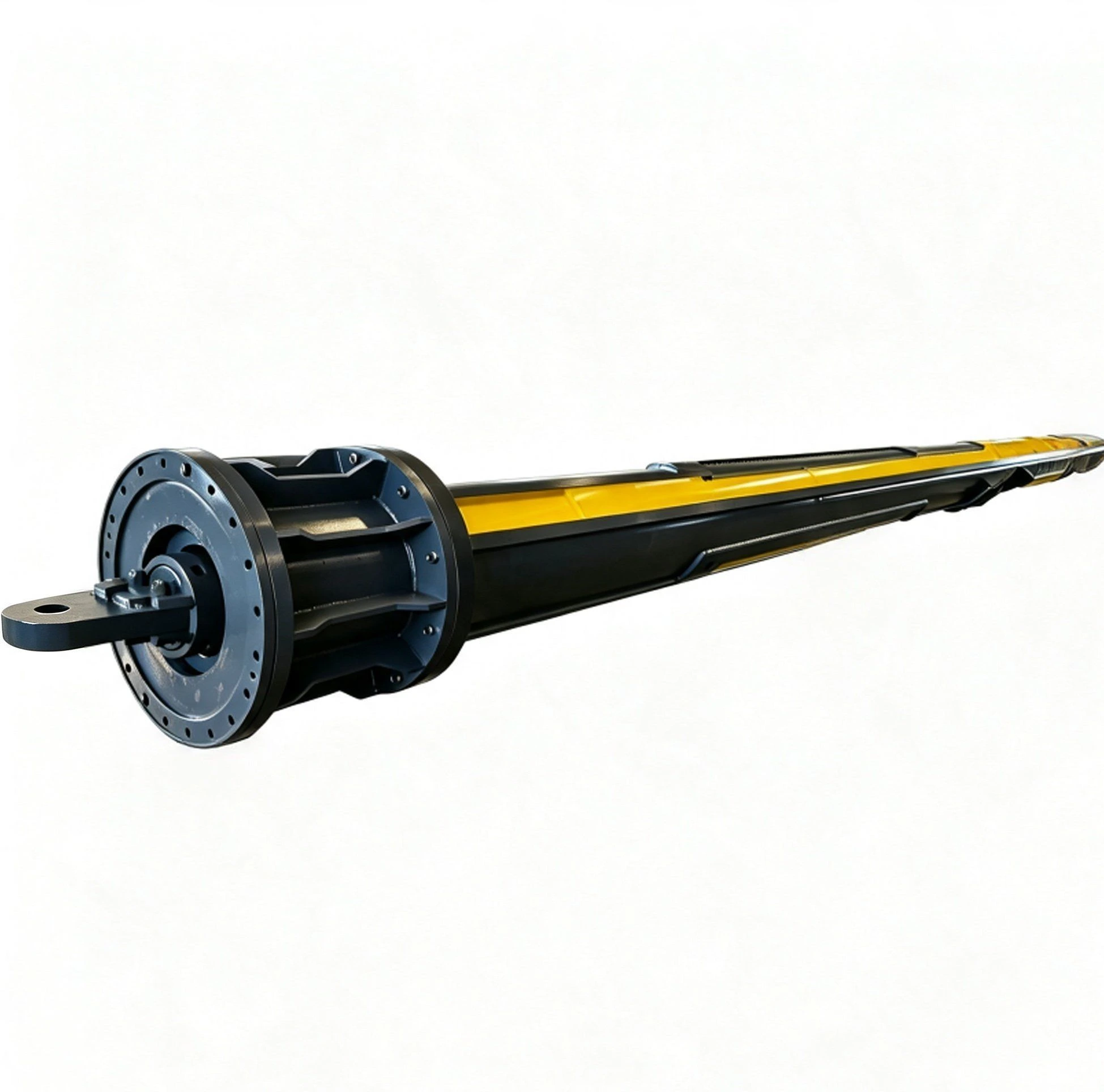
Kelly bars are matched to the rig class. The configurations below are in stock for the rotary lines we carry and checked against the wear checklist above. Prices are indicative EXW China. Current rotary stock: FairTradeMachinery rigs.
Configuration | Fits rig class | Type / sections | Length | Indicative price (EXW) |
30–80 m rotary | Friction / 4×15 m | 60 m | US$ 15,000–19,000 | |
35–85 m rotary | Friction / 4×15 m | 60 m | US$ 16,000–21,000 | |
30–70 m rotary | Friction / 4×13 m | 52 m | US$ 14,000–18,000 | |
35–85 m rotary | Friction / 4×15 m | 60 m | US$ 16,000–21,000 |
FAQ
Can a worn kelly be rebuilt?
Yes, if splines and straightness are within rebuild limits; otherwise replace.
Friction or interlocking — which is better?
Interlocking transfers more torque; friction is simpler. Match to your power head.
How long does a replacement take?
About 2–4 weeks including sourcing and export docs.
Do you film the kelly test?
Yes, every listed rig includes a kelly joint and spline video.
Will a wrong kelly fit my rig?
No — confirm sections, length and drive type before purchase.
Sources
- Bauer Maschinen — kelly bar inspection and wear-limit guidance: https://www.bauer.de
- ISO — standards for rotary drilling equipment inspection and wear limits: https://www.iso.org
- Freight rate reference: Q3 2026 quotations, Shanghai to destination port, available on request.
- FairTradeMachinery — used drill rig inventory (live models & specs): /rigs.html
Published: 2026-11-03 · Last reviewed: 2026-11-03 · By Author: 【Pace 】Equipment Inspector, FairTradeMachinery
FairTradeMachinery
You Design the Vision. We Handle the Hard Parts.
Helping Global Buyers Access Better-Value Machinery and After-Sales Solutions.
As China's Leading Global Used Machinery Exchange Platform, we sits at the intersection of IoT technology and B2B commerce. That means real-time inventory data, verified seller profiles, and a transaction process designed for cross-border buyers who can't always inspect machines in person. Our users in China have exceeded 1.5 millions meaning we have the first source of excavator owners and the equivalent number of machines. This means we can cover all the popular models and even specific needs, no matter of the status.






 Live Chat On Whatsapp Now


 FAQs
 WhatsApp